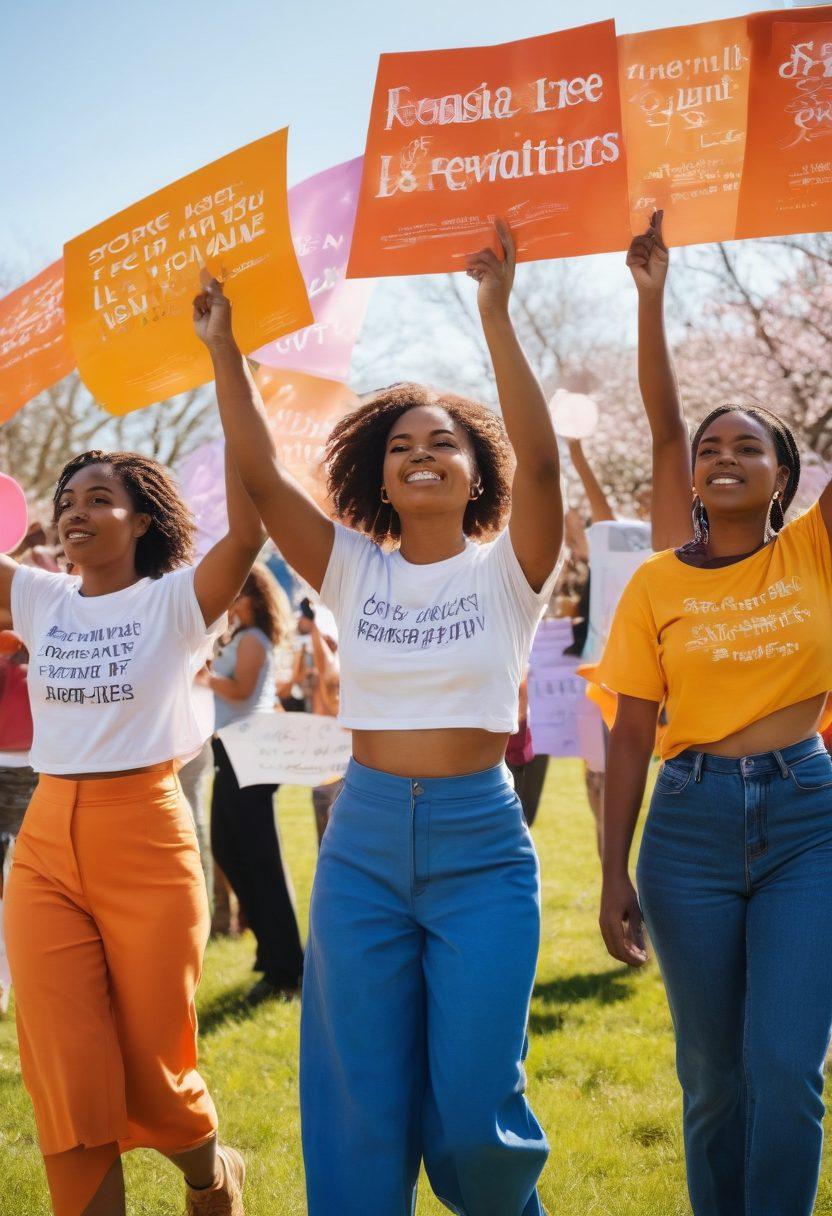
Empowering Choices: Championing Reproductive Freedom and Women's Rights
In a world where silence can often shroud pivotal issues, the voices of advocates ring loudest, empowering individuals and shaping the future. The importance of advocacy for reproductive freedom cannot be overstated—it is the thread that weaves together women's empowerment, equal rights, and social equity. As we navigate these complex conversations, we must remember that every person's right to bodily autonomy is not only a fundamental human right but a cornerstone of gender equality. Why do some still grapple with the idea of women's rights to make choices about their own bodies? It is time for us to unleash these voices to spark necessary dialogues and drive change.
Imagine standing at a crossroads where every path speaks of choices—choices concerning reproductive freedom, healthcare equity, and personal health decisions. Advocacy for choice is not just about promoting abortion access; it encapsulates the wider realm of family planning rights and sexual health rights. In fact, women's liberation is intricately linked to the right to privacy and the ability to make informed choices about one's own body without external interference. As Gloria Steinem once said, "The first problem for all of us, men and women, is not to learn, but to unlearn." What must we unlearn to foster a society where women's voices are not just heard but amplified?
At the heart of the pro-choice movement is the recognition that women's health advocacy is a vital aspect of public health access. This is especially true when we acknowledge intersectional feminism, where the struggles of marginalized women intersect with broader reproductive justice efforts. Advocacy is about standing up for the rights of women who face barriers to achieving reproductive freedom—whether that be due to socioeconomic factors, racial disparities, or geographic limitations. By amplifying their stories, we acknowledge the diverse landscape of women's experiences and highlight the urgent need for equitable healthcare solutions. How can we ensure that these voices rise above the societal and systemic barriers that often muffle them?
A powerful aspect of the advocacy for reproductive freedom is its ability to create solidarity among women. As we rally for our rights, we echo a sentiment of support and understanding; we forge a path where personal choice is celebrated and respected. The journey towards reproductive justice is inherently tied to the ongoing fight for gender equality. Each time a woman shares her personal story of empowerment, whether about accessing abortion, contraceptive care, or seeking information about her body, we slowly dismantle the stigma that has lingered for generations. Are we listening attentively enough to those who bravely share their experiences, and are we using our voices to uplift them?
As we stand at this critical juncture for reproductive freedom and women's rights, let us reflect on what it means to be an agent of change. Advocacy is more than just talking about issues—it's about taking active steps towards creating a world where every woman can make choices without fear of judgment or restriction. It requires us to embrace our differences and acknowledge the unique challenges faced by women across various walks of life. Whether one engages through social media campaigns, community organizing, or speaking one's truth, each action threads into the larger fabric of women's empowerment. So, how will you contribute to the unfolding narrative of advocacy, and will you stand with those who continue to champion the rights of women everywhere?
Navigating the Landscape of Bodily Autonomy: A Call for Equal Rights
In today's world, the conversation around reproductive freedom and bodily autonomy has never been more critical. With the rise of global movements advocating for women's rights, we stand at a pivotal crossroads of history. Imagine a society where every woman has the right to make decisions about her own body without fear of judgment or obstruction. That dream embodies the essence of women's empowerment. Let’s explore what this landscape of bodily autonomy entails, the ongoing battle for equal rights, and the vital roles that advocacy and personal choice play in shaping a future of healthcare equity.
One illuminating quote by feminist activist Gloria Steinem says, "The first problem for all of us, men and women, is not to learn, but to unlearn." This unlearning is crucial in the fight for reproductive freedom and sexual health rights, as it challenges the long-held societal norms that dictate women's roles. Questions about right to privacy and the rights of women feed into a broader discourse on gender equality and women's liberation. How do we navigate this complex landscape while ensuring that the voices of all women are heard and respected?
Advocacy for choice has taken many forms throughout the years, from the pro-choice movement rallying for abortion access to grassroots campaigns championing family planning rights. Today, intersectional feminism plays a vital role in acknowledging the diverse experiences of women, especially those from marginalized communities who often face greater hurdles in accessing public health services. This inclusivity is not just a nice add-on; it is essential for achieving true healthcare equity and ensuring that all women's health advocacy efforts reflect the realities of their lives.
As we champion bodily autonomy, we must also confront the realities of healthcare access barriers that many women face. How can we ensure that reproductive choices align with the affirmation of personal choice? We need to foster discussions that highlight the intersection between healthcare, social equity, and human rights. Women should feel empowered to assert their family planning rights while being given the tools and resources to do so. It’s not just about rights; it’s about altering the very fabric of healthcare systems to make it a welcoming space for all women, regardless of their circumstances.
Ultimately, the path forward in achieving reproductive freedom and bodily autonomy requires active participation and community support. Engage in conversations about women's health, amplify voices advocating for equal rights, and challenge the status quo. Each step taken in advocacy contributes to a larger movement towards a society where women's rights and choices are not just a privilege, but a standard. Remember, every action counts in the fight for women's empowerment and the right to make choices that define their own futures. Together, we can make a difference!
Empowering Women through Informed Choices: The Intersection of Health and Freedom
In a world where the right to determine one’s destiny hinges on personal choice, the concept of reproductive freedom emerges as a cornerstone of women's empowerment. Imagine a landscape where every woman possesses the autonomy to make informed decisions regarding her body—a space where she can navigate family planning rights, sexual health rights, and access to necessary healthcare services without fear or shame. The fight for autonomy over one’s own body is not just an issue of rights; it goes to the heart of gender equality and human dignity, challenging societal norms that seek to limit women's liberation. So, how can we champion this cause effectively?
At the intersection of health and freedom lies the vital recognition that advocacy for choice not only protects women's health but also fortifies their rights. As we delve into women's health advocacy, we uncover stories of resilience and courage. Picture this: a young woman, faced with an unexpected pregnancy, is forced to navigate a maze of often archaic regulations to access abortion services. Her experience highlights the urgent need for robust policies that not only uphold her right to privacy but also ensure healthcare equity. The pro-choice movement stands firm, advocating that personal choice is essential for all women, irrespective of their socio-economic status. How can we contribute to breaking these barriers?
The dialogue surrounding reproductive rights is often mired in controversy, but what if we shifted our focus to the broader implications of health access on social equity? By reframing the conversation, we can foster a deeper understanding that empowering women through informed choices is a public health issue. Research draws a direct line between reproductive health access and the well-being of families and communities. When women are empowered to make decisions about their bodies and futures, they contribute positively to society. It’s as if we are giving a symphony of voices the chance to play their unique notes in harmony—what beautiful music that would be!
Embracing the principles of intersectional feminism, we must ensure that all women—including marginalized groups—have access to resources and support that affirm their reproductive freedom. This is not merely an issue of personal choice but rather one of equity and justice. We can draw parallels between the rights of women and the broader human rights agenda; when we elevate women's empowerment, we lay the groundwork for collective progress. So, how do we ensure that every voice is amplified in this crucial conversation?
Ultimately, empowering women through informed choices about their bodies isn't just a feminist issue; it’s a fundamental human right. Each step towards ensuring abortion access, family planning rights, and robust sexual health services is a stride towards a future where every woman can thrive. We are not just advocating for women's health; we are fighting against the systemic barriers that hinder progress toward gender equality. As we continue to champion reproductive freedom and advocate for choice, let’s remember the words of renowned feminist bell hooks: "Life-transforming ideas have always come to me through the experience of listening to women’s voices." Let us not only listen but also act, ensuring that all women are empowered to shape their own destinies.